
- Training / EnablementIndustry
- Business teamsClient
- Training & EnablementCategory
- Fast to valueTime to impact
The challenge
- Generic “intro to AI” sessions don’t stick.
- People watch a demo, nod, and go back to the old way because nothing mapped to their actual job.
Department-by-department training that gets non-technical teams genuinely productive with AI.
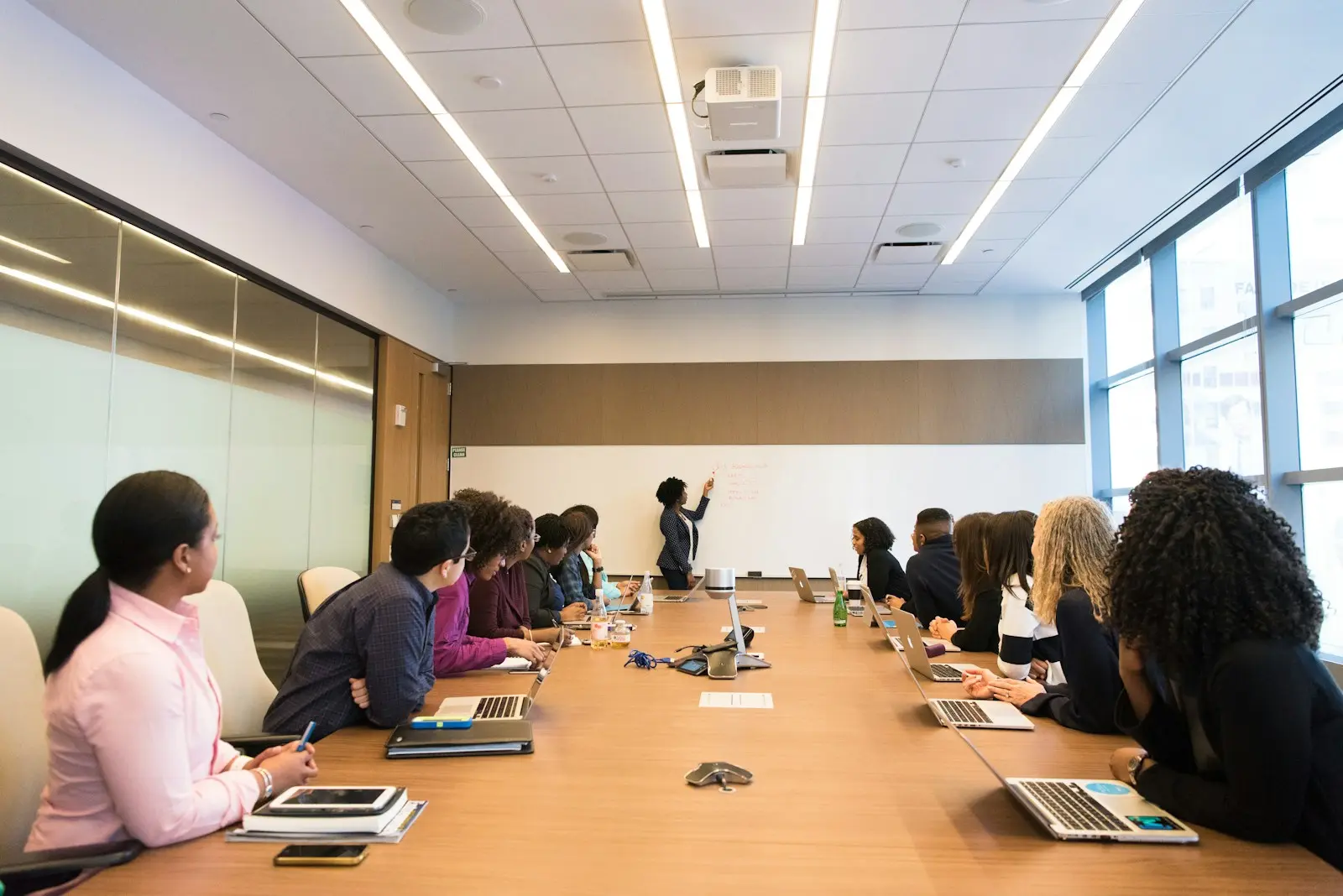
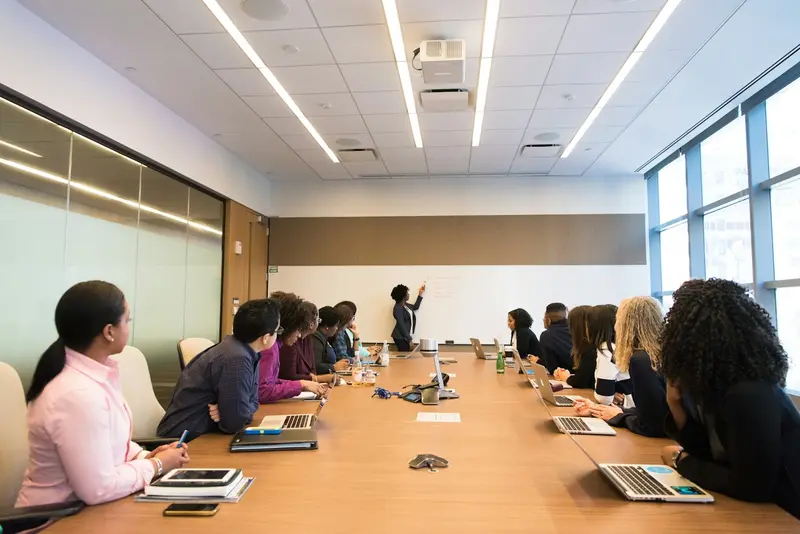
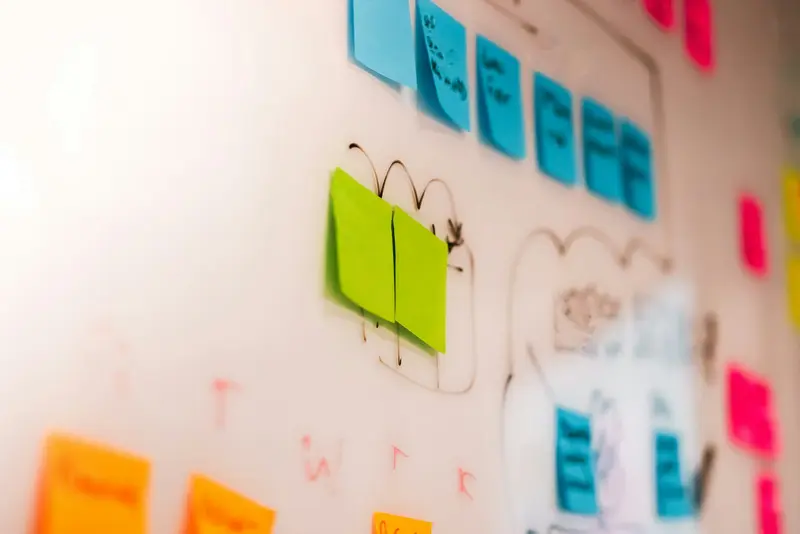
Practical, role-specific training that helps business teams, across marketing, finance, operations, HR and more, use AI for the work they actually do, with concrete prompts and workflows rather than generic demos.
What we built
- 01Training tailored to each department’s real work.
- 02Concrete prompts and workflows, not generic demos.
- 03Hands-on practice on tasks people actually do.
- 04A reference people keep using afterwards.
How it works
What it can do
Role-specific
Tailored to each department’s real tasks.
Concrete workflows
Prompts and recipes, not theory.
Hands-on practice
People work on their own tasks.
Lasting reference
Material they keep using after.
Who stays in the loop
The call the system deliberately does not take, and what the person is given to take it with.
Practical, role-specific training that helps business teams
The person doing the work
Decideswhere the workflow applies, and where their own judgement still has to
Seesa worked example on their own task, plus the reference to go back to afterwards
The payoff
What is different once it is running. No invented numbers: these are the changes the work was built to make.
Every department leaves with AI workflows for their own work, not a generic demo they forget by Friday.
Teams productive on their own real tasks, not on demo ones.
Concrete prompts and workflows per department, written down.
A reference people keep using after the session ends.
Built with
The layers this runs on, from what comes in to what it plugs into.
- Method
- Hands-on workshops
- Role-based playbooks
Common questions
The same answers as above, written out.
Practical, role-specific training that helps business teams, across marketing, finance, operations, HR and more, use AI for the work they actually do, with concrete prompts and workflows rather than generic demos.
Generic “intro to AI” sessions don’t stick. People watch a demo, nod, and go back to the old way because nothing mapped to their actual job.
Sessions are tailored per department. Teams practise on their own real tasks. They leave with workflows they keep using.
The person doing the work decides where the workflow applies, and where their own judgement still has to. They see a worked example on their own task, plus the reference to go back to afterwards.
Method: Hands-on workshops, Role-based playbooks.
Teams productive on their own real tasks, not on demo ones. Concrete prompts and workflows per department, written down. A reference people keep using after the session ends.
Where this fits
The practice it belongs to, how an engagement like it runs, and what we have written about the subject.
- Training
- Productivity
- Enablement
- Training / Enablement
 Business & Operations
Optimising your operations with AI: start with the process, not the model
A practical playbook for optimising operations with AI: find the one slow step, automate it, keep a person in the loop, and measure the before and after.
Miguel Vicente JrJun 202612 min read
 Business & Operations
AI was supposed to give us time back. Instead, it put us on a productivity treadmill
AI finished a one-hour task in five minutes, so I did more, not less. How automation traded the time it saved for a faster productivity treadmill.
Miguel Vicente JrMar 20265 min read
 Data Annotation
Data Labeling: The Overlooked Bottleneck in AI and Machine Learning
Model architectures often get the spotlight, but real-world performance in AI depends heavily on data labeling quality. Learn why annotation workflows, human-in-the-loop systems, and synthetic data strategies are what make an ML model hold up in production.
Frederico VicenteSep 20259 min read
Other projects in this line.
Bring us the problem nobody has cracked yet.
We are a small team of senior specialists. We pick the right model and the right layer, and we build the least machinery that does the job. You get a call with an engineer, not a sales deck.